Discover how investing in your local environment can shape the future of viticulture: honoring native grape varieties and traditions while regenerating ecosystems and supporting local economies and culture.
Course description
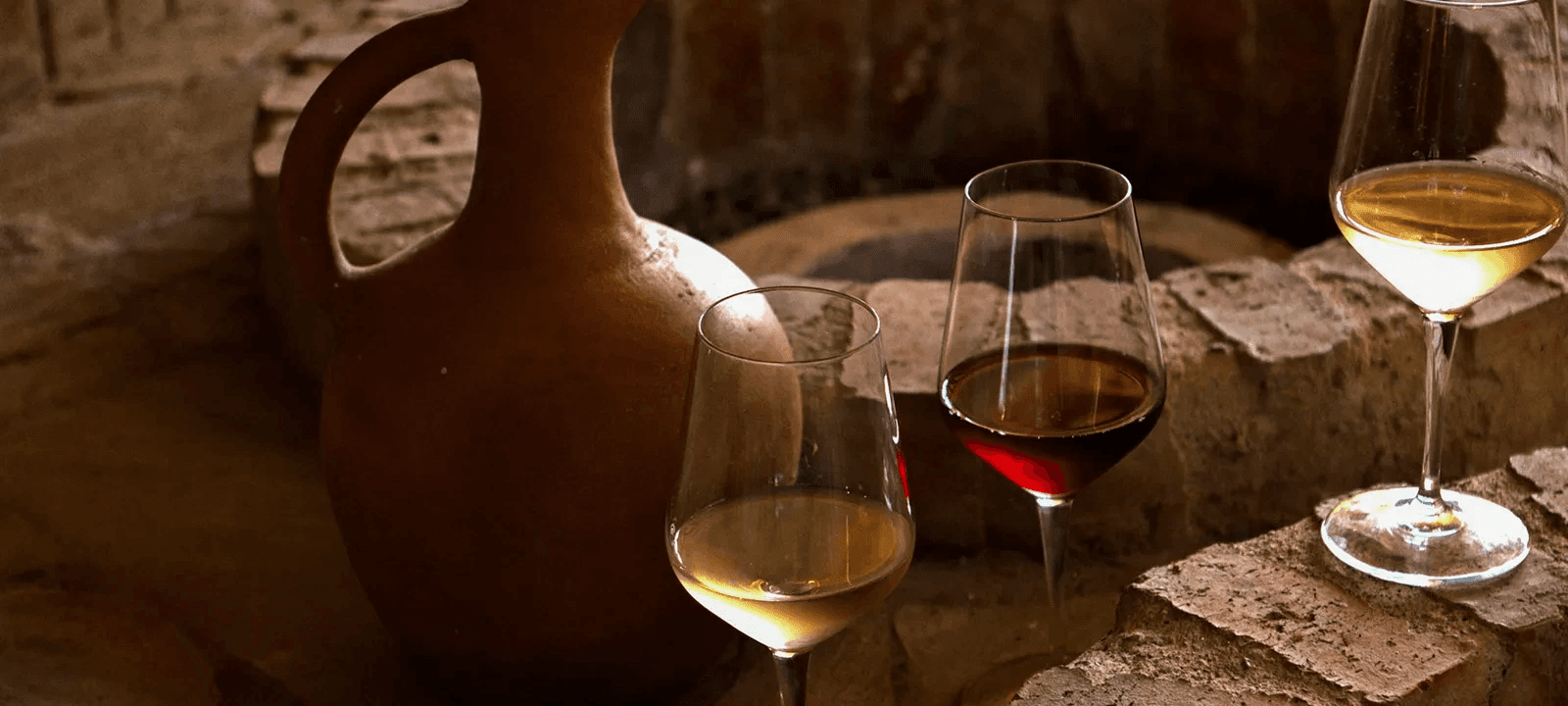
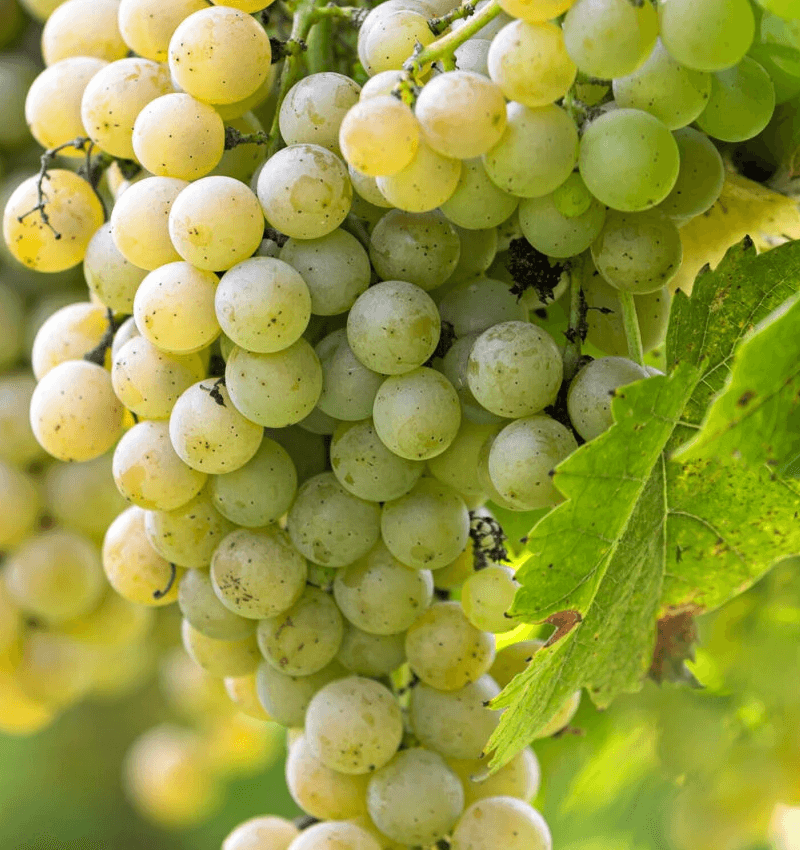
Viticulture is an industry with a rich historical past, with heritage deeply ingrained. One way that this is done is through the preservation of the local environments, indigenous grape varieties, and traditional practices such as *qvevri* winemaking. Investing in local traditional viticulture offers more than historical preservation; it also promotes sustainable wine production and positively contributes to a biodiverse ecosystem. Using indigenous grapes enables the grapes to be adapted to native soils and climates, while requiring fewer chemical inputs and better resistance to disease and climate stress.
Learning outcomes
By the end of this course, learners will be able to evaluate how integrating traditional viticultural methods supports sustainability and cultural resilience, recognize the value of diverse grape varieties in diversifying wine production and markets, and assess how these approaches contribute to a stronger, more resilient food system